Reliable Heat for Every Production Stage
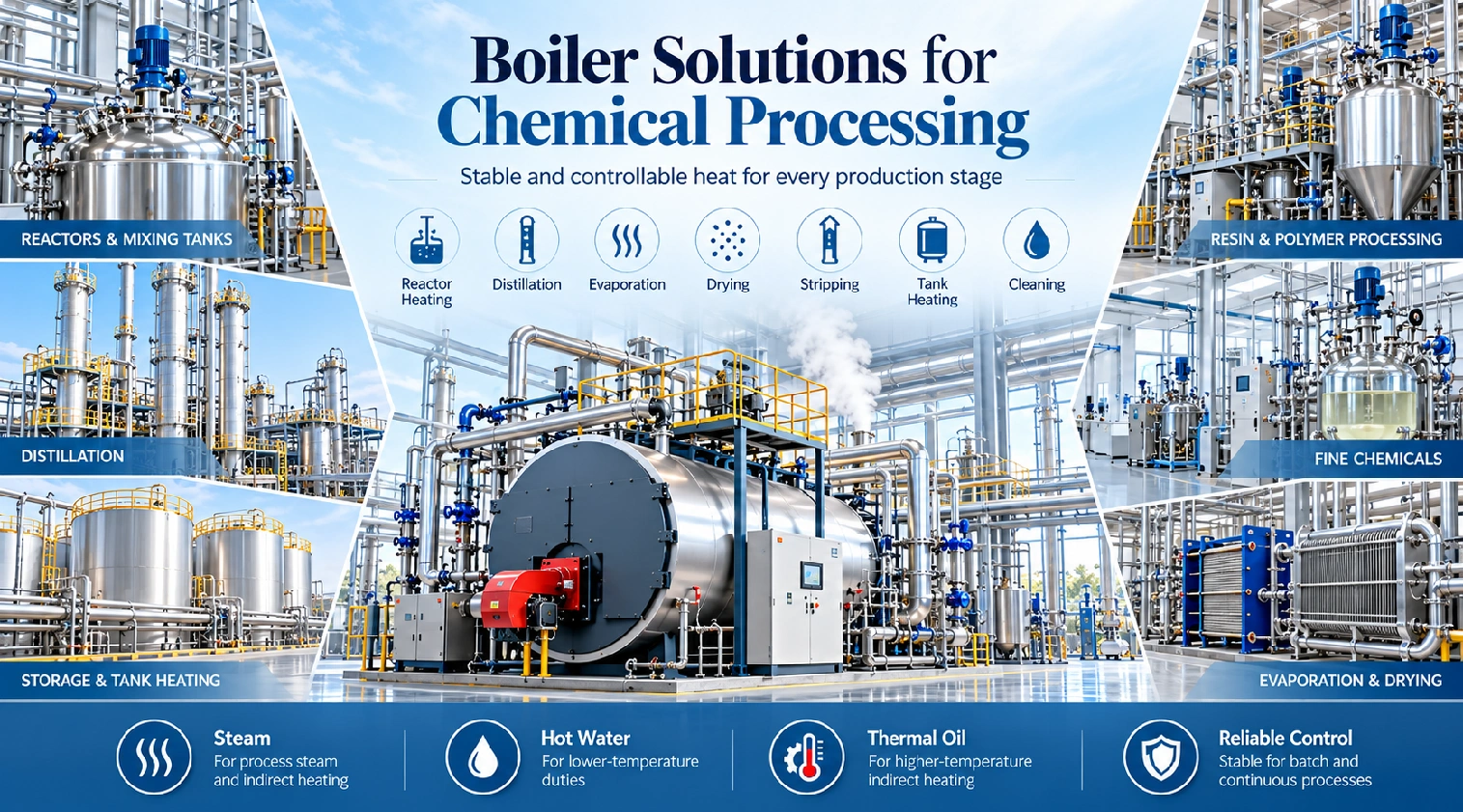
Chemical processing depends on a stable and controllable supply of steam, hot water or thermal oil.
These heating media are commonly used for:
Reactor Heating · Distillation · Evaporation · Drying · Stripping · Tank Heating · Cleaning
Huanuo Boiler provides customized heating solutions for chemical plants, petrochemical facilities, fine chemical manufacturers, fertilizer plants, resin and polymer producers, and specialty chemical processing facilities.
For many chemical production lines, a steam boiler is the primary choice for process steam and indirect heating. Thermal oil heaters are recommended for processes requiring higher-temperature indirect heating, while hot water boilers are suitable for lower-temperature duties. Final selection depends on the specific process design and operating conditions.
Recommended Boiler Selection
| Production requirement | Recommended Huanuo product | Typical application |
|---|---|---|
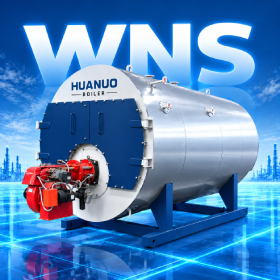
| General and stable steam demand | WNS Series Gas/Oil-Fired Fire-Tube Steam Boiler | Reactor heating, distillation, evaporation and equipment cleaning |
| Higher efficiency and lower emissions | WNS Series Low-NOx Gas-Fired Steam Boiler with Condensing Economizer | Natural-gas projects seeking improved fuel utilization and lower NOx emissions |
| Large and continuous steam demand | SZS Series Gas/Oil-Fired Water-Tube Steam Boiler | Large chemical plants with high, continuous process-steam demand |
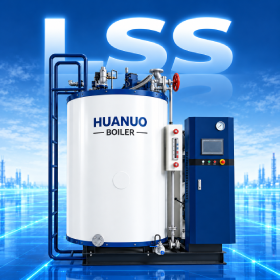
| Fast start-up or intermittent operation | LSS Series Gas/Oil-Fired Once-Through Steam Boiler | Batch chemical production and fluctuating process-steam loads |
| Small steam demand or no on-site combustion | W(L)DR Series Electric Steam Boiler | Laboratories, pilot plants and small-scale or supplementary steam supply |
| Stable and economical biomass/coal fuel available | DZL or SZL Series Biomass/Coal-Fired Steam Boiler | Plants with suitable solid-fuel handling and emission-control facilities |
| Process hot water required | CWNS, WNS or W(L)DR Series Industrial Hot Water Boiler | Low-temperature process water, washing and tank heating |
| High-temperature indirect heating | YY(Q)W Series Gas/Oil-Fired Thermal Oil Heater | Reactor heating, distillation and other processes requiring high-temperature thermal fluid |
The final solution should be selected according to process requirements, required capacity, working pressure, temperature, load pattern, available fuel and applicable site safety and emission requirements.
Key Considerations for Boiler Selection
01.Process Heating Requirements
Confirm whether the process requires steam, hot water or thermal oil, and specify the required temperature and pressure.
Reactors, distillation columns, evaporators, dryers and heated tanks may have different heat-transfer and temperature-control requirements. Where process fluids are corrosive, flammable or otherwise hazardous, the heating arrangement, material compatibility and required protective measures should be confirmed by the project engineering team.
02.Steam Capacity
Boiler capacity should be based on the maximum simultaneous steam demand of the complete process—not the demand of a single reactor or item of equipment.
Average load, peak load, start-up demand, working pressure and planned production expansion should all be considered.
03.Load Pattern
Batch chemical production and continuous process operations can have different steam demand profiles.
Where demand changes significantly, multiple boilers or a fast-start boiler may offer greater flexibility and avoid oversizing a single unit.
04.Fuel and Operating Cost
Boiler selection should consider more than the initial purchase price.
Local fuel availability and prices, annual operating hours, emission requirements, fuel-handling needs and maintenance costs all affect long-term operating cost.
05.Water Treatment and Reliability
Proper feedwater treatment helps reduce scale and corrosion, maintain heat-transfer performance and extend boiler service life.
For chemical processes where heating interruptions can affect batch quality or production continuity, standby capacity, suitable controls and protective devices should be considered as part of the overall system design.