


Project Overview
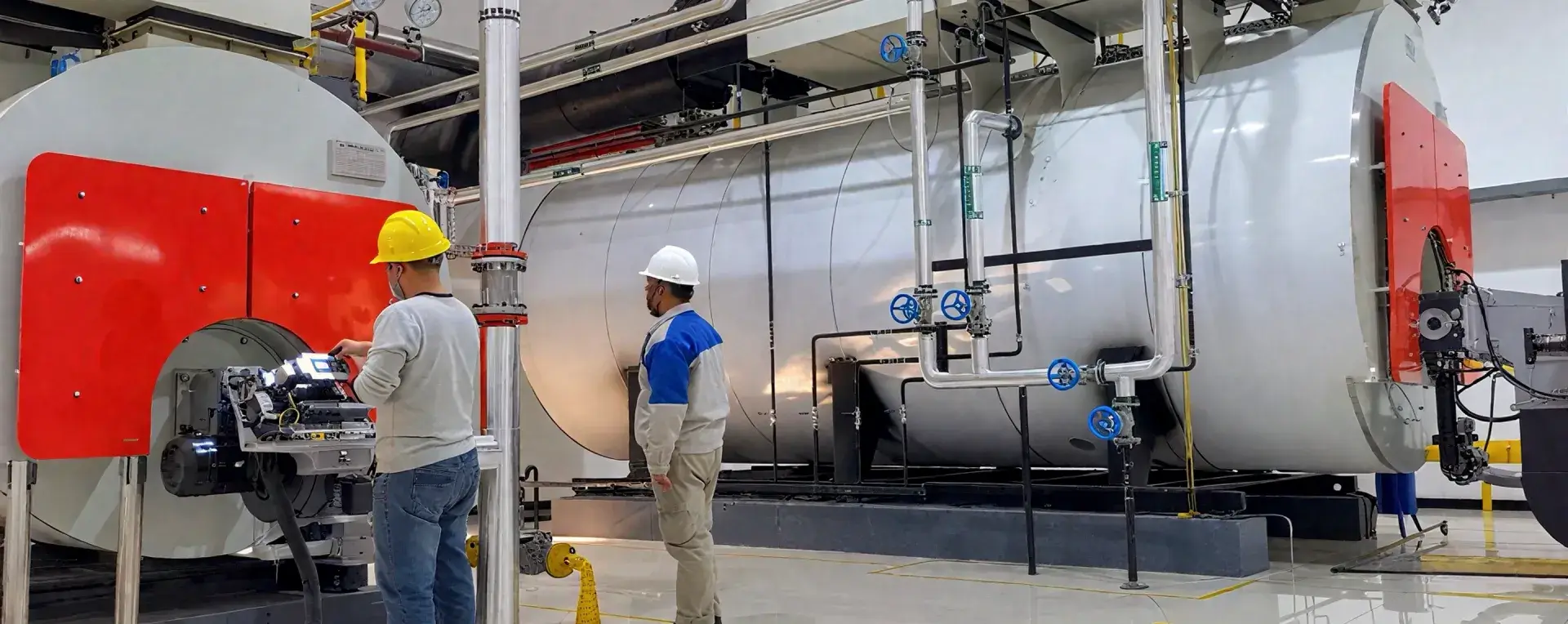
Zamboanga City in the Philippines is a major hub for the country’s seafood and canned food processing industries, renowned for its canned sardines. A medium-sized canned food processing plant there had long been plagued by an unstable steam supply. The existing coal-fired boiler not only required frequent shutdowns for ash removal—which was extremely labor-intensive—but also resulted in an annual production loss of nearly 15%. To resolve this production bottleneck, the plant conducted a comprehensive comparison of multiple boiler suppliers and ultimately chose to partner with Huano Boiler.
Solution
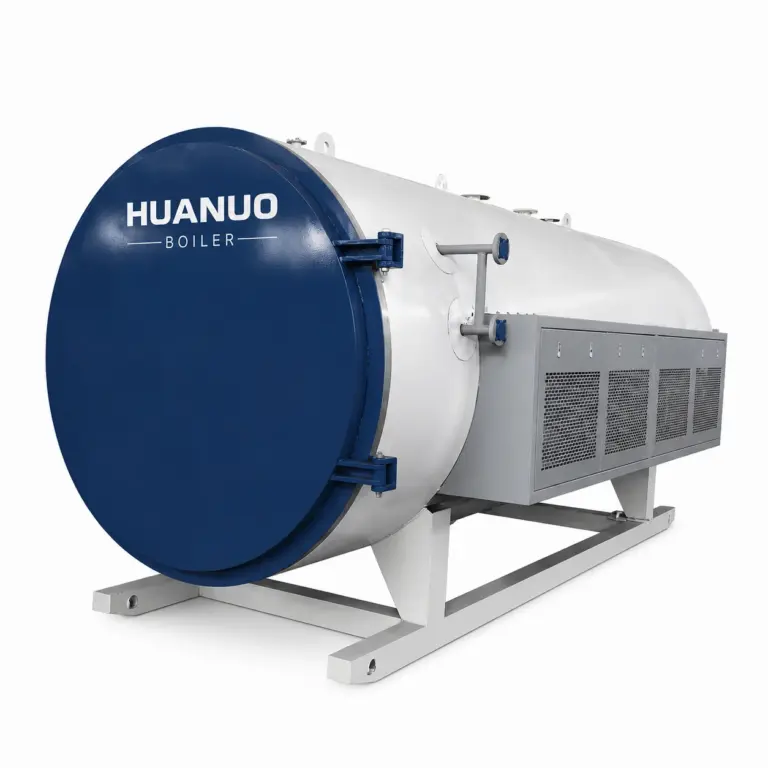
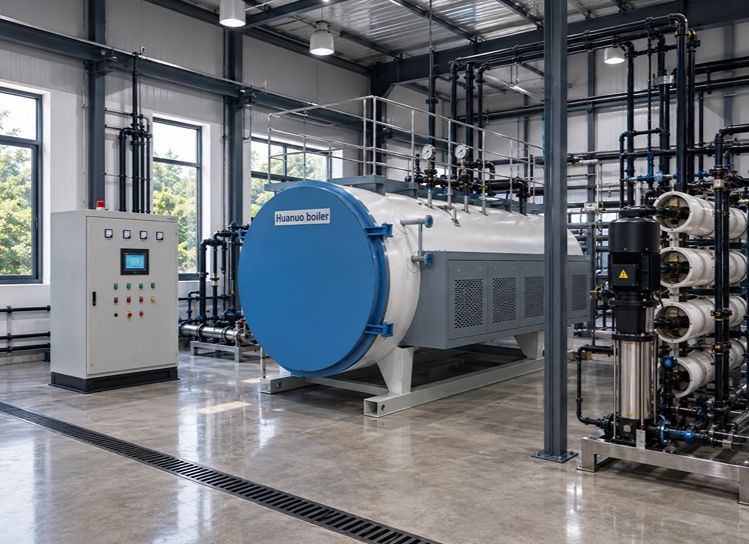
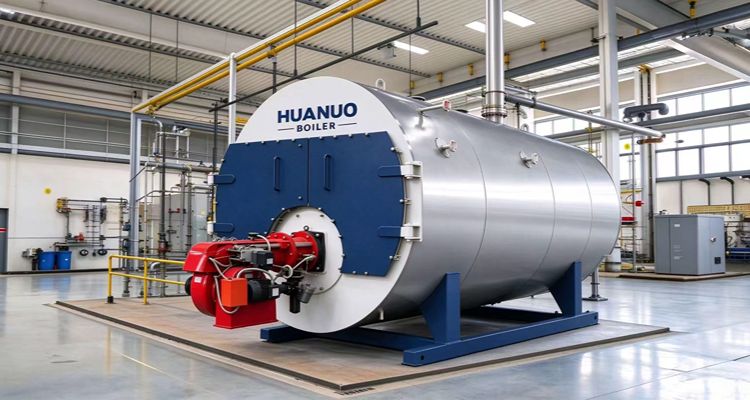
Following an on-site inspection and analysis of the plant’s steam usage processes, Huano Boiler’s technical team configured a WDR1.5-1.0 horizontal electric steam boiler for the facility:
Request a Solution
The boiler features a modular design that enables rapid output of saturated steam, fully meeting the process requirements for critical operations such as can sterilization.
The built-in intelligent temperature control system automatically adjusts heating output according to the can sterilization process, achieving energy savings of over 20% compared to traditional equipment.
Powered by electricity, the boiler produces no soot or nitrogen oxide emissions during operation. Its emission levels far exceed the latest local environmental standards, completely eliminating the risk of production restrictions due to environmental compliance issues.
It completely eliminates the hassle of frequent shutdowns for ash removal associated with traditional fuel-fired boilers, ensuring continuous and stable operation of the canning production line.
Core Project Advantages
In the six months since commissioning, the production line has not experienced any production stoppages due to steam interruptions. Production stability has significantly improved, and quarterly output value has increased by 18% year-over-year.
With ample steam output and stable pressure, can sterilization is more effective, and the product pass rate has notably improved.
The equipment is easy to operate and requires minimal maintenance, effectively reducing labor and operational costs.

Client Testimonial

Jason
Production Manager at a Processing Plant

Budi Santoso.
Equipment Manager, a major paper group in Indonesia

María González.
Production Director, a pharmaceutical company in Mexico

Ahmed Hassan.
Head of Engineering, a hotel group in Egypt

Mehmet Yılmaz
Production Manager, a textile dyeing and finishing company in Türkiye

Rafiq Islam.
Operations Supervisor, a garment washing company in Bangladesh

Khalid Al-Farsi
Plant Manager, a food processing plant in Saudi Arabia

Johan van der Merwe
Energy Manager, a beverage producer in South Africa

Rajesh Kumar
Technical Director, a chemical company in India

Dmitry Ivanov
Operations Manager, a district heating company in Russia

Camila Rojas
Production Head, a fruit and vegetable processor in Chile