


Project Overview
Indonesia is a major global producer and processor of palm oil, home to numerous local oil processing and value-added manufacturing enterprises. In the processes of palm oil refining, deodorization, fractionation, drying, and related oleochemical production, a large number of process units require a long-term, continuous, and stable medium-to-high-temperature heat source. The client for this project is a major Indonesian manufacturer of oil, fat, and chemical products that has long been engaged in the deep processing of palm oil and the production of related industrial goods. As the company’s production capacity continued to expand, its existing heating system gradually revealed issues such as insufficient heating capacity, high fuel costs, and a lack of flexibility in system adjustment. At the same time, the local palm oil industry chain provides a relatively abundant supply of palm kernel shells, wood-based fuels, and other agricultural biomass resources. The client sought to utilize local biomass fuel resources to construct a high-temperature thermal oil system capable of meeting continuous production demands, ensuring stable operation, and suitable for long-term industrial applications. After a comprehensive evaluation of boiler design, fuel adaptability, automation levels, and overseas project service capabilities, the client ultimately selected Huano Boiler to provide the biomass thermal oil boiler system solution.

Solution
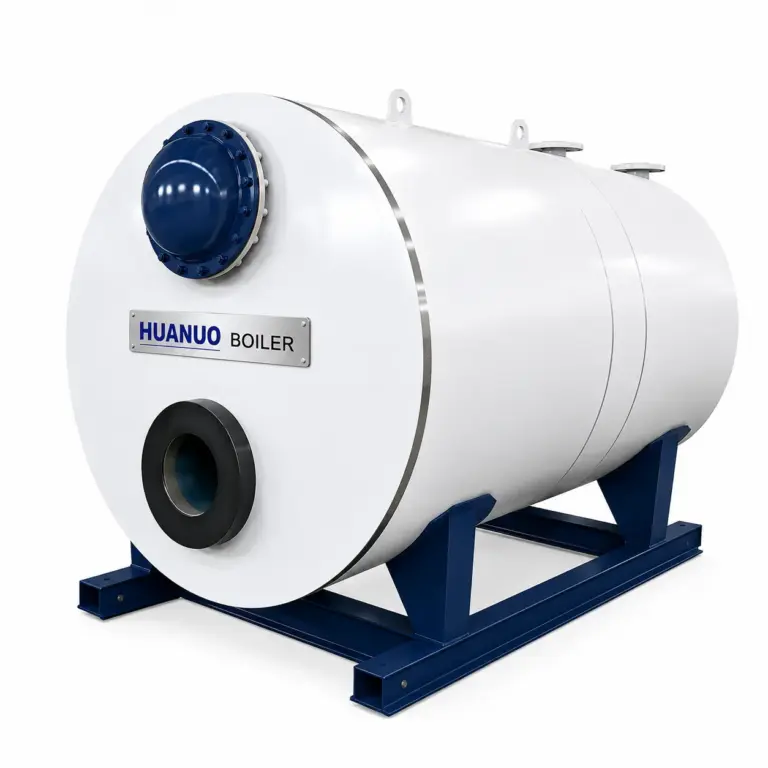
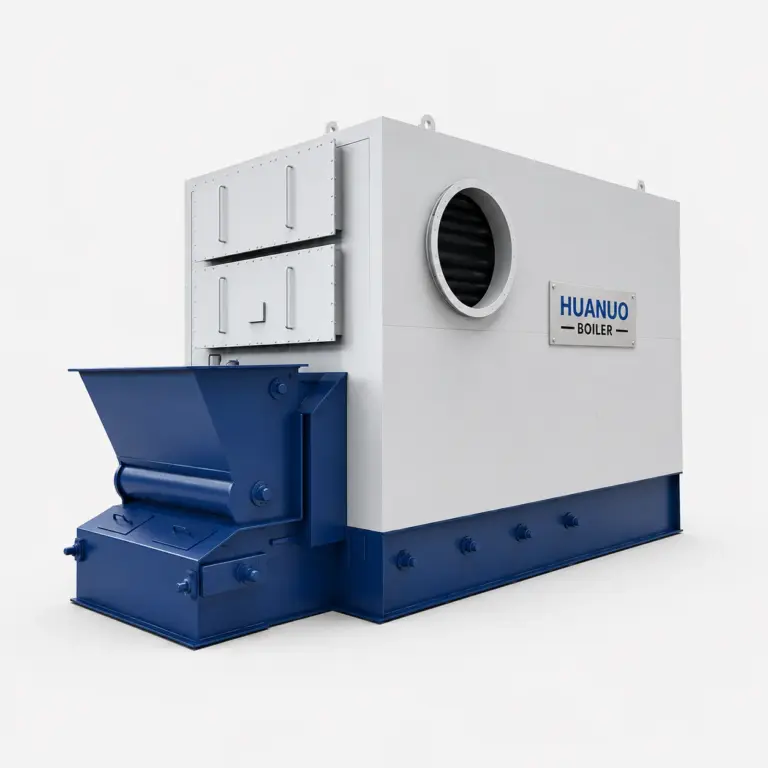
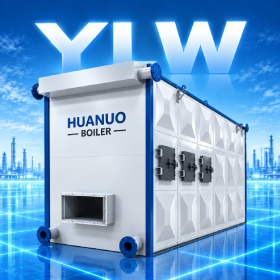
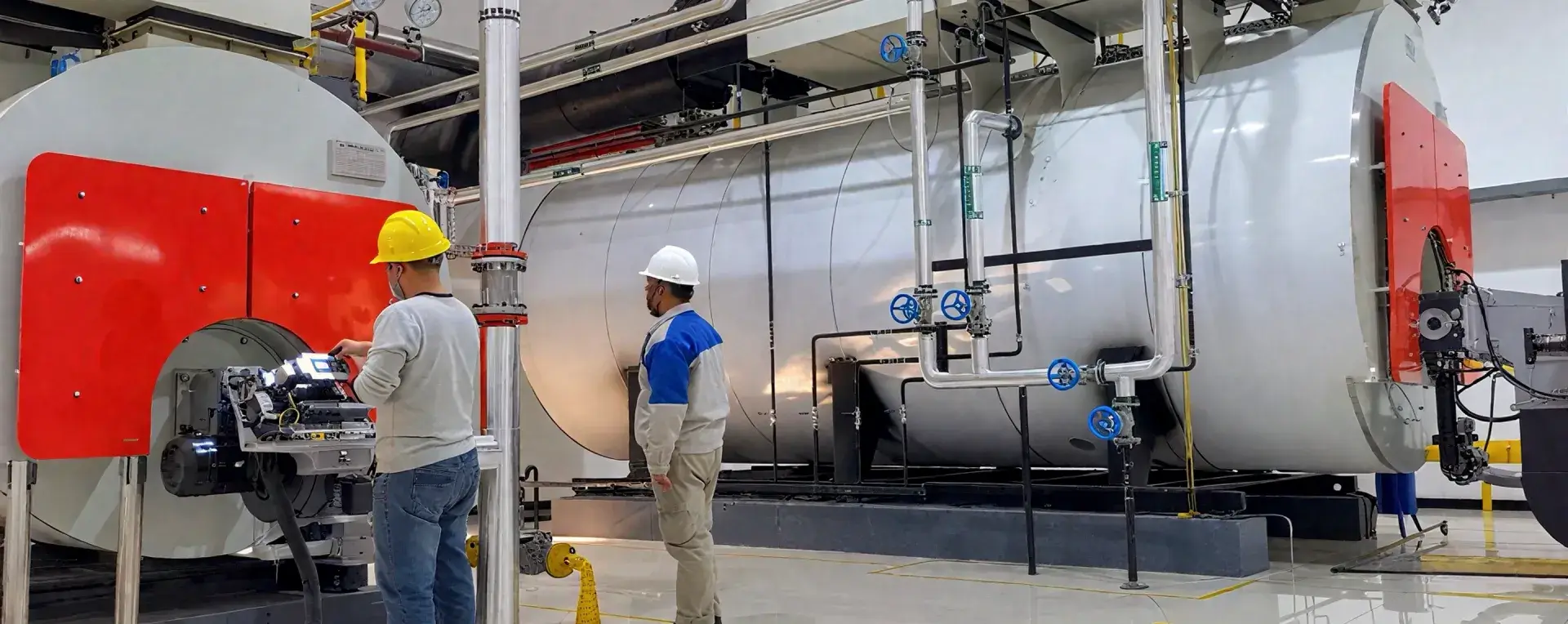
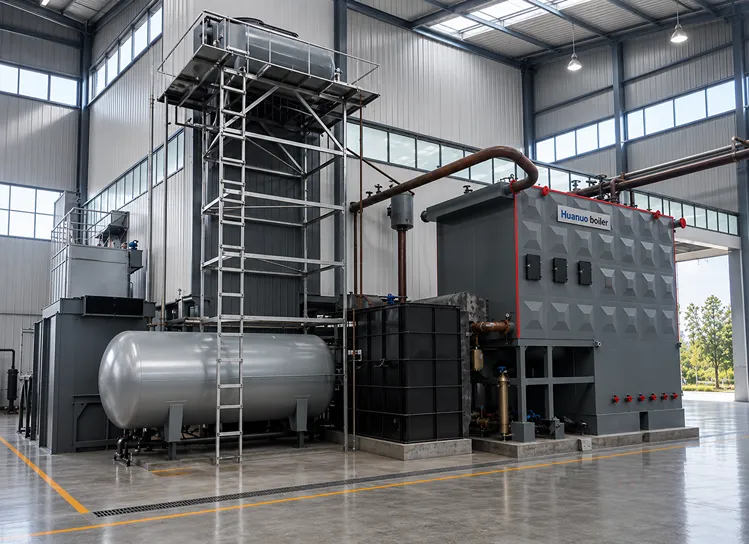
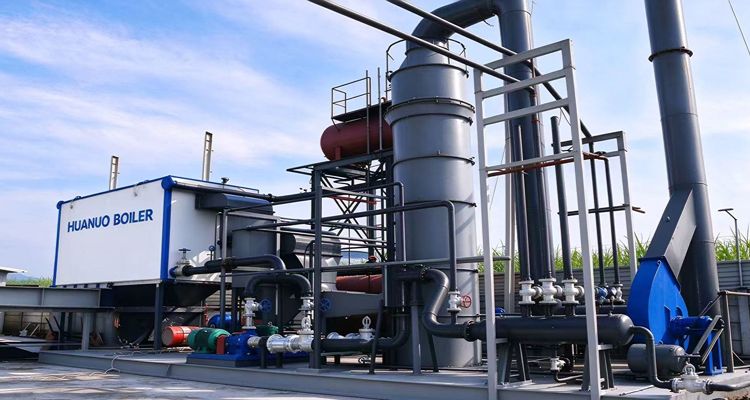
To address the characteristics of the client’s production line—including continuous operation, high thermal load requirements, and the need for stable process temperatures—Huanuo Boiler configured the following system for the project: a YGL-4200MA biomass thermal oil boiler system. The complete system primarily consists of:
- Biomass thermal oil boiler unit·
- Biomass combustion and fuel feeding system·
- High-temperature thermal oil circulation system·
- Expansion and oil storage units·
- Flue gas and dust removal system·
- Automated control system·
- Safety monitoring and interlock protection devicesIn
Accordance with production process requirements, the thermal oil circulates in a closed-loop system within the system, with high-temperature thermal oil being delivered to various heat-consuming equipment via circulation pumps. After releasing heat, the thermal oil returns to the boiler for reheating, ensuring a continuous and stable supply of thermal energy.
Core Project Advantages
High-temperature heat supply to meet continuous production needsUnlike traditional steam systems, thermal oil boilers utilize a circulating organic heat carrier to provide stable medium- to high-temperature thermal energy for industrial production. For production processes that require high temperature stability—such as oil refining, deodorization, heating, drying, and chemical reactions—the thermal oil system can adjust temperatures according to actual process requirements. This project is designed for a maximum oil supply temperature of 320°C, capable of meeting the client’s needs for simultaneous operation of multiple heat-consuming equipment.
Coil-Type Heat Exchanger Structure for Enhanced Heat Exchange Efficiency
The YGL series biomass thermal oil boilers feature a coil-type heat exchanger structure, with radiant and convective heat transfer surfaces optimally arranged to meet combustion and heat exchange requirements. High-temperature flue gas transfers heat within the furnace chamber and the tail flue, while the thermal oil circulates through the coils to ensure stable heat exchange. This optimized arrangement of heat transfer surfaces not only improves heat utilization but also meets the operational requirements of industrial users for long-term, continuous heat supply.
Forced Circulation for More Stable Heat Supply
This project employs a forced circulation system for the thermal oil. A high-temperature circulation pump continuously pumps the thermal oil, establishing a stable circulation loop between the boiler and the production equipment. Compared to intermittent heating methods, the continuous circulation system better accommodates the prolonged, continuous heat load demands of the oil and fat chemical production process. Even when there are multiple heat-consuming points on the production line, relatively stable heat distribution can be achieved through system design and temperature control.
Multi-Level Safety Monitoring and Automated Control
The thermal oil furnace system is equipped with monitoring devices for key parameters such as temperature, pressure, flow rate, and liquid level. The control system is configured with multi-level alarms and safety interlock protections based on actual project requirements, enabling real-time monitoring of the boiler’s operating status. Key functions include: thermal oil temperature monitoring, system pressure monitoring, circulation flow rate monitoring, liquid level monitoring, over-temperature alarm protection, combustion system interlock control, fan and fuel system interlocks, fault alarms, and automatic protection. The automated control system reduces the need for frequent manual intervention and enhances the operational convenience of the entire heating system.
Configuration of Flue Gas Treatment Systems Based on Fuel Characteristics
Since biomass fuels vary in ash content, moisture content, and combustion characteristics, Huanuo Boilers configures flue gas systems based on the actual fuel conditions of each project. This project is equipped with appropriate dust removal and flue gas treatment devices to meet industrial site operational requirements. For different countries and regions, Huanuo Boilers can also provide customized designs for dust removal, flue gas treatment, and emission systems in accordance with local environmental regulations and project emission requirements.
Customer Benefits
Meets the continuous heating demands of multiple production lines.The 4.2 MW biomass thermal oil system provides a stable, high-temperature heat source for the customer’s edible oil deep-processing production lines, meeting the demand for simultaneous operation of multiple process heat points.
Improves the utilization rate of local biomass resources
By using palm kernel shells and other suitable biomass fuels, the customer can establish a more flexible energy supply plan tailored to local fuel availability. The system can be adapted to actual fuel conditions to accommodate palm kernel shells, wood chips, wood shavings, biomass pellets, and other solid biomass fuels that meet combustion requirements. By optimally configuring the fuel feeding and combustion systems, the system helps the client maximize the value of local biomass resources and reduce reliance on a single fossil fuel source.
Reduced Manual Labor
Automated control and safety interlock systems minimize the need for frequent manual adjustments to boiler operating parameters. Operators can centrally monitor the boiler and major auxiliary equipment through the control system, improving the efficiency of daily operations and management.

Client Testimonial

Amanda
Project Manager at an Indonesian Oil and Fat Chemical Company

Budi Santoso.
Equipment Manager, a major paper group in Indonesia

María González.
Production Director, a pharmaceutical company in Mexico

Ahmed Hassan.
Head of Engineering, a hotel group in Egypt

Mehmet Yılmaz
Production Manager, a textile dyeing and finishing company in Türkiye

Rafiq Islam.
Operations Supervisor, a garment washing company in Bangladesh

Khalid Al-Farsi
Plant Manager, a food processing plant in Saudi Arabia

Johan van der Merwe
Energy Manager, a beverage producer in South Africa

Rajesh Kumar
Technical Director, a chemical company in India

Dmitry Ivanov
Operations Manager, a district heating company in Russia

Camila Rojas
Production Head, a fruit and vegetable processor in Chile